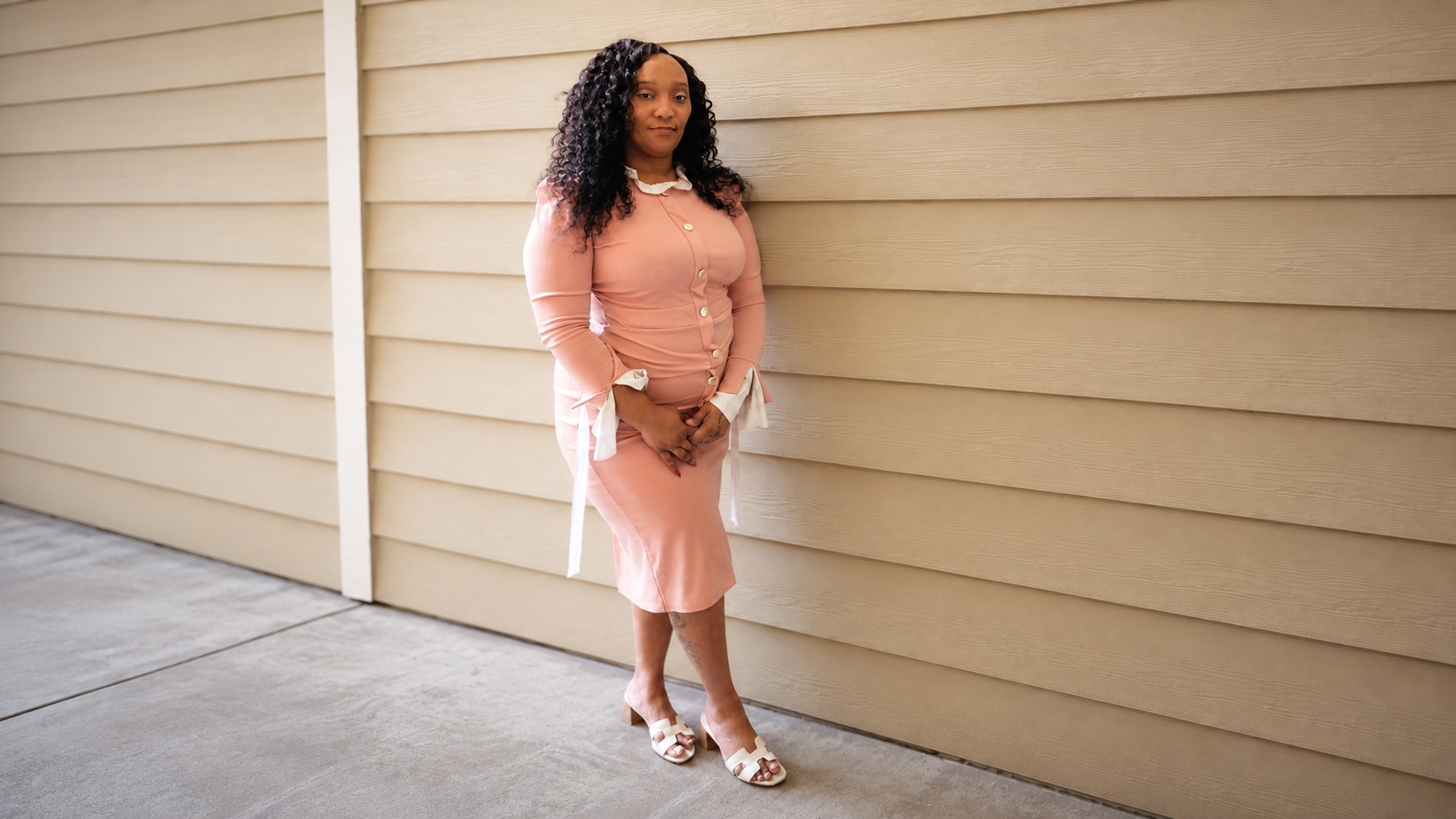
Finding Care, Finding Family
Shenika’s Story
Living with fibromyalgia, epilepsy, and chronic pain, Shenika needed consistent, ongoing care she could afford after losing her job and, with it, her health insurance. The cost of doctor’s visits, medications, and ongoing treatment felt overwhelming, and managing her health without regular care seemed impossible.
When she was referred to Health Services of North Texas (HSNT), Shenika found the affordable, high-quality care she needed not only to manage her health conditions but also to improve her quality of life.
“I needed somewhere I could go for care at a reasonable cost and still get the treatment I needed,” Shenika recalls. “That place was HSNT.”
At the time, her seizures had become increasingly difficult to manage, and without insurance, accessing the medical care and medications she relied on felt out of reach. What she found at HSNT was more than affordable healthcare. She found a team that listened, paid attention, and worked alongside her other healthcare providers to coordinate her care.
“The doctors were amazing,” she says. “They listened to what I had to say, took all my history down, and even coordinated with my other doctors to make sure everyone was on the same page.”
One of the most difficult moments in Shenika’s health came when she spent 10 days in a coma related to her medical condition. After leaving the hospital, follow-up care was critical to her recovery and long-term health. Without insurance, accessing that ongoing care could have felt impossible. Through HSNT, she was able to continue receiving the medical attention and support she needed to manage her epilepsy and chronic pain.
Another turning point came when the medication she needed to manage her fibromyalgia cost $1,000, placing it far beyond what she could afford. Rather than leaving her to face that challenge alone, the HSNT team connected her with resources and a medication assistance program that significantly reduced the cost of treatment.
“That was a huge turning point for me,” Shenika says. “Without my medication, I was in a lot of pain and couldn’t do the things I needed to do each day.”
With access to consistent care and medication, Shenika experienced fewer seizures and a better quality of life. Everyday activities became easier, and she was able to focus on her family, pursue her goals, and return to doing the things she enjoyed.
HSNT also connected her with additional community resources that helped her navigate a challenging chapter in her life. The care she received left such an impression that she later pursued employment with HSNT herself. Inspired by the compassion she experienced as a patient, she wanted to be part of an organization dedicated to helping others access quality healthcare.
Today, Shenika hopes her story encourages others not to delay care because they lack insurance or worry they cannot afford quality healthcare.
“People think they can’t get good healthcare if they don’t have insurance, but that’s not true,” she says. “HSNT is a judgment-free place where your medical needs come first. They genuinely care about helping people get the treatment they need.”
When asked what she would tell someone who is hesitant to seek care because of cost or uncertainty, her answer is simple:
“HSNT is not only a medical facility, but also a Medical Home. They will take care of you and give you the quality of care you need to be successful in life. And if they can’t manage your situation, they’ll refer you to someone who can.”
Looking back, Shenika is grateful for the referral that first brought her to HSNT and for the people who helped her regain control of her health.
“From the front office to getting help with prescriptions, there wasn’t anything negative I can say,” she reflects. “The care I received made all the difference during one of the most challenging times in my life.”
For Shenika, HSNT was more than a healthcare provider. It was a trusted medical home that provided compassionate, coordinated care during some of the most difficult moments of her life. Her story is a reminder that quality healthcare should be accessible to everyone, and that having insurance is not the only path to receiving the care and support needed to live a healthier, fuller life.