Health Services of North Texas
  • Welcome to HSNT's new website! You’re in the right place for trusted care, helpful resources, and support you can count on.

Hypertension

Home Services Hypertension

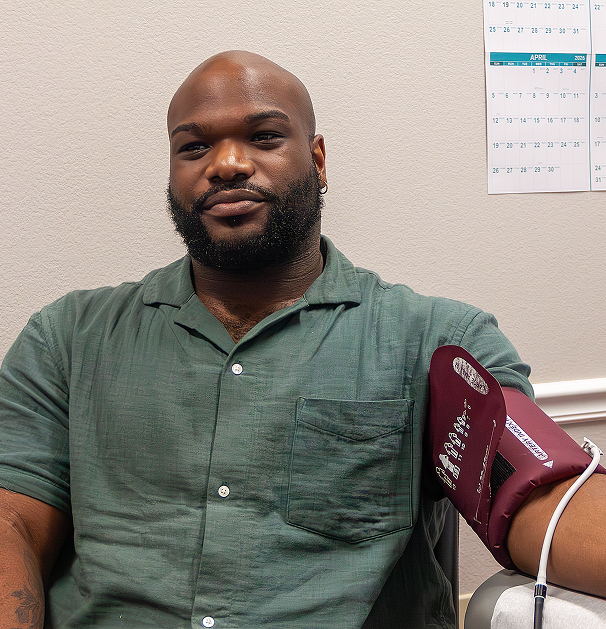
Hypertension, also called high blood pressure, is common and serious. Many people who have high blood pressure may not even know they have it.

Health Services of North Texas (HSNT)’s primary care team helps patients prevent, diagnose, and manage high blood pressure. HSNT accepts Medicaid, Medicare, most major insurance plans, and offer a sliding fee scale for patients that are uninsured or have costly copays and deductibles.

Hypertension

What Is Hypertension?

Hypertension is the medical term for consistently high blood pressure. Blood pressure measures how hard your blood pushes against your blood vessels.

When that pressure stays too high over time, it can damage your arteries and make it harder for blood to flow. Because it often has no warning signs, hypertension is known as the “silent killer.”

If not treated, high blood pressure can lead to serious health problems, including:

  • Heart disease and heart failure
  • Stroke
  • Kidney disease
  • Vision problems
  • Sexual dysfunction

If you are diagnosed with high blood pressure, HSNT’s primary care providers will work with you one-on-one to create a treatment plan that supports your long-term health and quality of life.

Risk Factors for Hypertension

Many risk factors for high blood pressure can be controlled. These include:

  • Poor diet
  • Lack of regular exercise
  • Being overweight
  • Using tobacco
  • Drinking too much alcohol
  • Poor sleep or too much caffeine

Other risk factors include:

  • Age (risk increases as we get older)
  • Family history
  • Race or ethnicity
  • Other health conditions, such as diabetes or kidney disease

During your visits, our team will help you understand your personal risk and make healthy lifestyle changes.

Symptoms of Hypertension

There are two main types of hypertension:

  • Primary hypertension is often linked to lifestyle, genetics, or environment
  • Secondary hypertension is caused by another health condition, such as kidney disease, sleep apnea, or thyroid problems

Many people with high blood pressure feel no symptoms at all. When symptoms do occur, they may include:

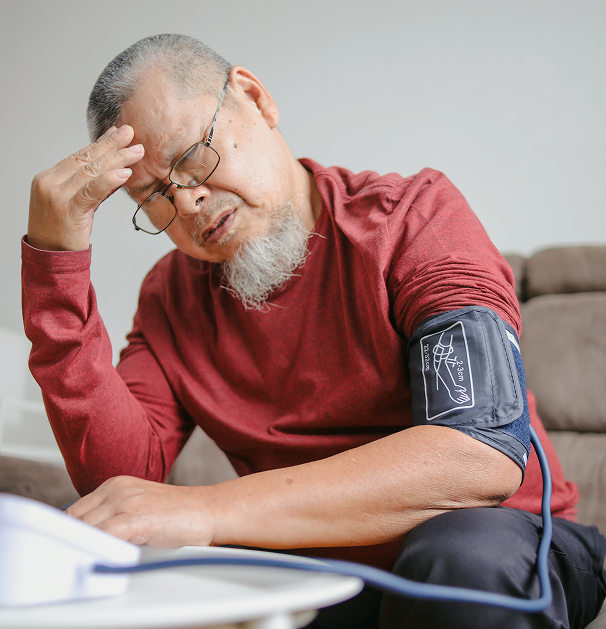
  • Headaches
  • Dizziness
  • Chest pain
  • Shortness of breath
  • Vision changes
  • Flushed face
  • Blood in the urine

If you notice these symptoms, seek medical care right away.

How Is Hypertension Diagnosed?

Hypertension is diagnosed using blood pressure readings taken over time.

Blood pressure is shown as two numbers, such as 120/80:

  • Systolic (top number): pressure when the heart beats
  • Diastolic (bottom number): pressure when the heart rests

High blood pressure is diagnosed when readings are 130/80 or higher on a regular basis.

Our providers review your readings, symptoms, and health history to make an accurate diagnosis and develop an effective care plan.

Treatment for High Blood Pressure

There is no one-size-fits-all treatment for hypertension. At HSNT, treatments may include:

Lifestyle Changes

  • Heart-healthy eating
  • Regular physical activity
  • Weight management
  • Reducing salt, caffeine, and alcohol
  • Quitting tobacco

Medications

  • Affordable blood pressure medications
  • Prescriptions tailored to your needs and daily routine

Our physicians, physician assistants, and nurse practitioners are experienced in managing hypertension, especially for patients with chronic conditions like diabetes and heart disease.

Hypertension FAQs

According to the Centers for Disease Control and Prevention (CDC), nearly 47% of U.S. adults, about 116 million people, have high blood pressure.

Normal: 120/80 or lower High blood pressure: 130–139 / 80–89 Stage 2 hypertension: 140/90 or higher

Yes. Uncontrolled hypertension can lead to: Stroke Heart disease Kidney damage Vision loss Atherosclerosis (hardening of the arteries)

Translate »